
Vitamin D Deficiency: 15 Signs You Must Know
Vitamin D is often called the "sunshine vitamin," but its importance goes far beyond what many people realize. This essential nutrient plays a critical role in maintaining strong bones, supporting the immune system, promoting muscle function, and contributing to overall health. Despite its importance, Vitamin D deficiency is one of the most common nutritional deficiencies worldwide.
Many people live with low Vitamin D levels without realizing it because the symptoms can be subtle and develop gradually. Left untreated, Vitamin D deficiency can affect bone health, weaken immunity, and impact overall well-being.
In this guide, we'll discuss the 15 most common signs of Vitamin D deficiency, explore its causes, and explain how proper supplementation and healthcare products available through Dvago can help support healthy Vitamin D levels.
What Is Vitamin D?
Vitamin D is a fat-soluble vitamin that helps the body absorb calcium and phosphorus, two minerals essential for healthy bones and teeth.
Unlike most vitamins, Vitamin D can be produced naturally when the skin is exposed to sunlight. It can also be obtained through certain foods and dietary supplements.
Vitamin D supports several important functions, including:
Bone development and maintenance
Immune system support
Muscle function
Nerve signaling
Calcium absorption
Overall health and wellness
When the body does not get enough Vitamin D, various physical and health-related symptoms may begin to appear.
What Causes Vitamin D Deficiency?
Several factors can contribute to low Vitamin D levels.
Common causes include:
Limited sun exposure
Indoor lifestyles
Use of sunscreen
Darker skin pigmentation
Aging
Obesity
Kidney or liver disorders
Poor dietary intake
Certain medications
Malabsorption conditions
People who spend most of their time indoors are particularly vulnerable to Vitamin D deficiency.
15 Signs of Vitamin D Deficiency You Must Know
1. Constant Fatigue and Tiredness
One of the most common symptoms of Vitamin D deficiency is persistent fatigue.
Even after getting adequate sleep, individuals may feel:
Low energy
Weakness
Reduced productivity
Difficulty completing daily activities
Low Vitamin D levels have been linked to chronic tiredness in many individuals.
2. Frequent Illnesses and Infections
Vitamin D plays an important role in supporting the immune system.
People with low Vitamin D levels may experience:
Frequent colds
Flu infections
Respiratory illnesses
Slower recovery from sickness
A weakened immune response can increase susceptibility to common infections.
3. Bone Pain
Vitamin D helps regulate calcium absorption.
Without sufficient Vitamin D, bones may become weaker and more susceptible to discomfort.
Common areas affected include:
Lower back
Hips
Legs
Ribs
Persistent bone pain should never be ignored.
4. Muscle Weakness
Vitamin D supports proper muscle function.
Deficiency may lead to:
Muscle weakness
Reduced strength
Difficulty climbing stairs
Increased physical fatigue
In older adults, muscle weakness can increase the risk of falls.
5. Mood Changes
Low Vitamin D levels have been associated with mood disturbances.
Some individuals report:
Irritability
Low mood
Lack of motivation
Increased emotional sensitivity
While Vitamin D is not the sole cause of mental health issues, maintaining adequate levels may support emotional well-being.
6. Hair Loss
Although multiple factors can contribute to hair loss, Vitamin D deficiency has been linked to excessive shedding in some individuals.
If unexplained hair loss occurs alongside other symptoms, Vitamin D levels may be worth evaluating.
7. Slow Wound Healing
Vitamin D contributes to tissue repair and immune function.
People with low levels may notice:
Delayed healing of cuts
Slower recovery after injury
Prolonged skin repair
Proper Vitamin D levels can help support the body's natural healing processes.
8. Back Pain
Chronic lower back pain has been associated with Vitamin D deficiency in some individuals.
Since Vitamin D helps maintain bone strength and muscle function, inadequate levels may contribute to musculoskeletal discomfort.
9. Increased Risk of Fractures
Vitamin D deficiency weakens bones by reducing calcium absorption.
This may increase the risk of:
Bone fractures
Stress fractures
Bone health becomes especially important with age.
10. Joint Pain
Many people with low Vitamin D levels experience unexplained aches and joint discomfort.
The pain may affect:
Knees
Shoulders
Hips
Wrists
Joint pain should be evaluated if it becomes persistent.
11. Difficulty Concentrating
Vitamin D deficiency may contribute to cognitive symptoms such as:
Brain fog
Reduced focus
Forgetfulness
Difficulty concentrating
These symptoms can affect both work performance and daily activities.
12. Excessive Sweating
Unusual sweating, particularly around the head and forehead, has historically been considered a possible indicator of Vitamin D deficiency.
While sweating alone does not confirm a deficiency, it may warrant further investigation when accompanied by other symptoms.
13. Poor Bone Health in Children
Children with Vitamin D deficiency may experience:
Delayed growth
Bone deformities
Developmental issues
Adequate Vitamin D is essential during childhood for proper skeletal development.
14. Frequent Muscle Aches
Recurring muscle pain without a clear cause may indicate insufficient Vitamin D levels.
People often describe:
Deep muscle soreness
Generalized body aches
Persistent discomfort
These symptoms may improve when Vitamin D levels are restored.
15. Reduced Physical Performance
Athletes and physically active individuals may notice:
Lower endurance
Reduced strength
Slower recovery
Increased fatigue
Vitamin D contributes to muscle health and physical performance.
Who Is Most at Risk?
Certain groups are more likely to develop Vitamin D deficiency.
These include:
Older adults
People who spend little time outdoors
Individuals with darker skin tones
Pregnant women
Breastfeeding mothers
Obese individuals
People with digestive disorders
Those with chronic kidney or liver disease
Routine health checkups can help identify deficiencies before symptoms become severe.
How Is Vitamin D Deficiency Diagnosed?
The most accurate way to determine Vitamin D status is through a blood test.
Healthcare providers may recommend testing if symptoms or risk factors are present.
Based on the results, they can recommend:
Lifestyle modifications
Dietary changes
Follow-up monitoring
Foods That Contain Vitamin D
Although sunlight remains a primary source, some foods naturally contain Vitamin D.
Examples include:
Fatty fish
Egg yolks
Fortified milk
Fortified cereals
Cheese
Mushrooms exposed to UV light
However, many people find it difficult to meet their daily requirements through diet alone.
Vitamin D Supplements Available Through Dvago
For individuals with low Vitamin D levels or those at risk of deficiency, healthcare professionals may recommend supplementation.
Dvago offers a variety of trusted Vitamin D and calcium support products that can help individuals maintain healthy nutrient levels when used under medical guidance.
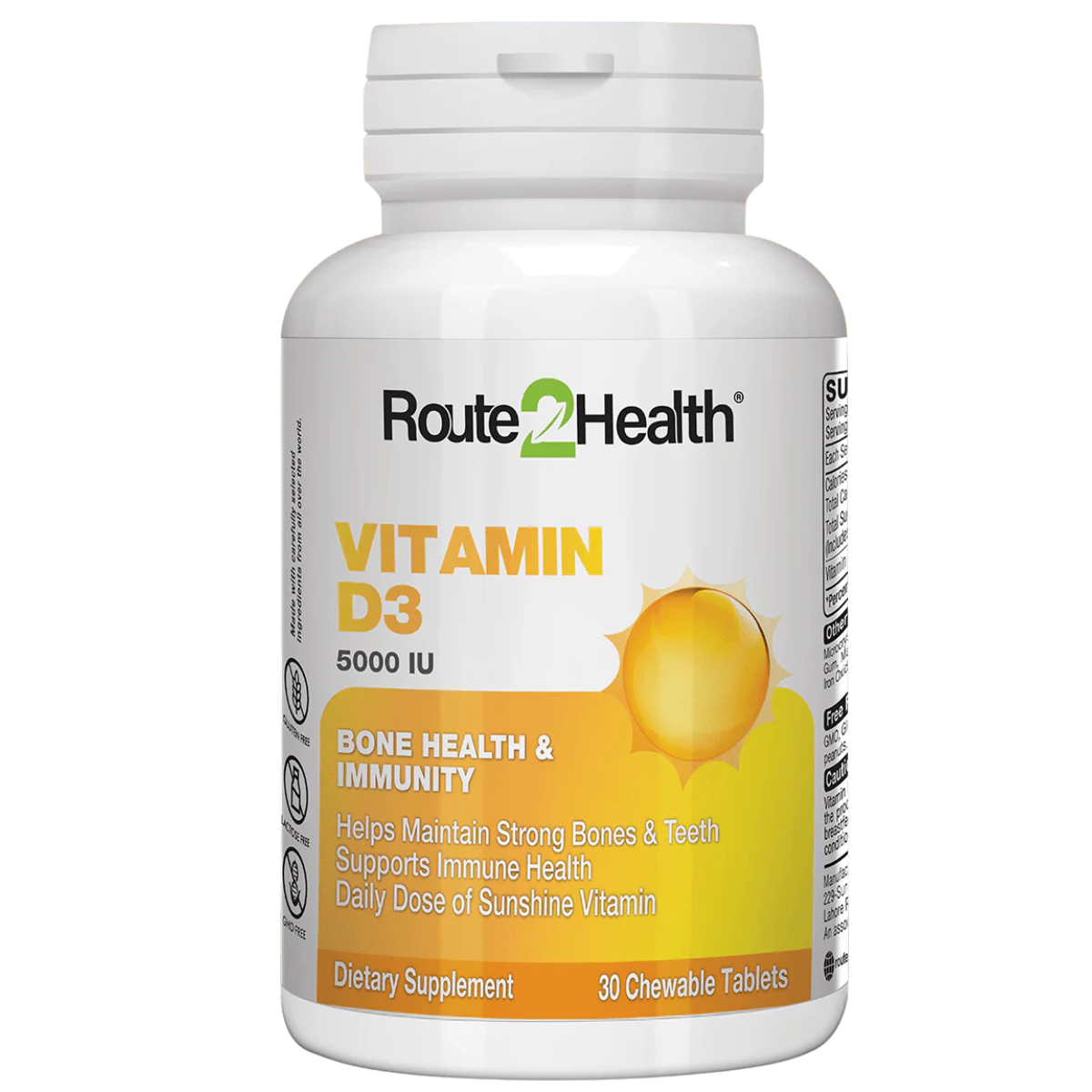
Route 2 Health Vitamin D3 Tablets 5000IU
Route 2 Health Vitamin D3 Tablets 5000IU are designed to help support healthy Vitamin D levels. Vitamin D3 is the form of Vitamin D most commonly used in supplements and plays a key role in calcium absorption, bone health, and immune system support.
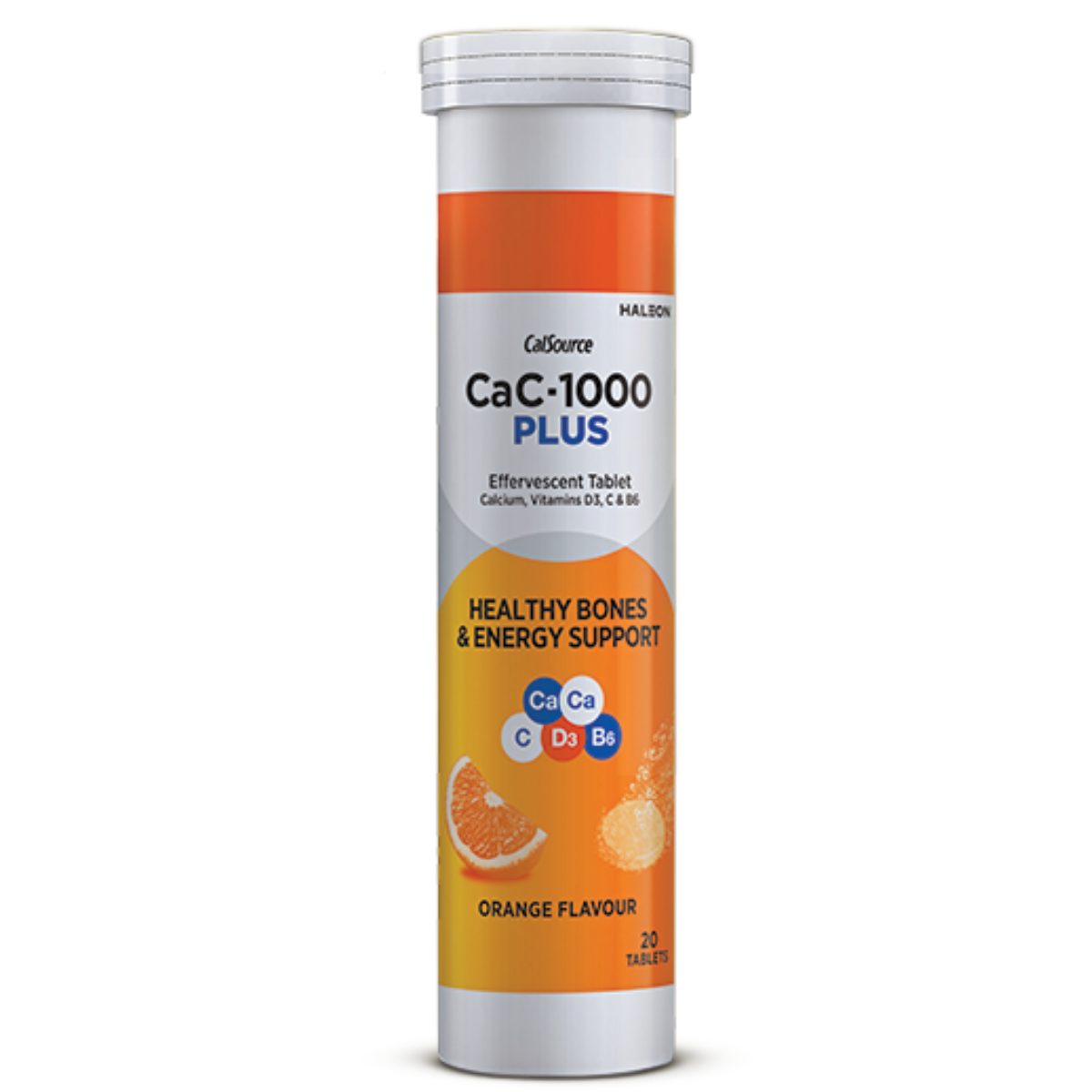
Cac-1000 Plus Effervescent Orange Flavor Tablets
Cac-1000 Plus Effervescent Orange Flavor Tablets combine calcium and essential nutrients that support bone strength and overall skeletal health. Their effervescent format makes them convenient and easy to consume.
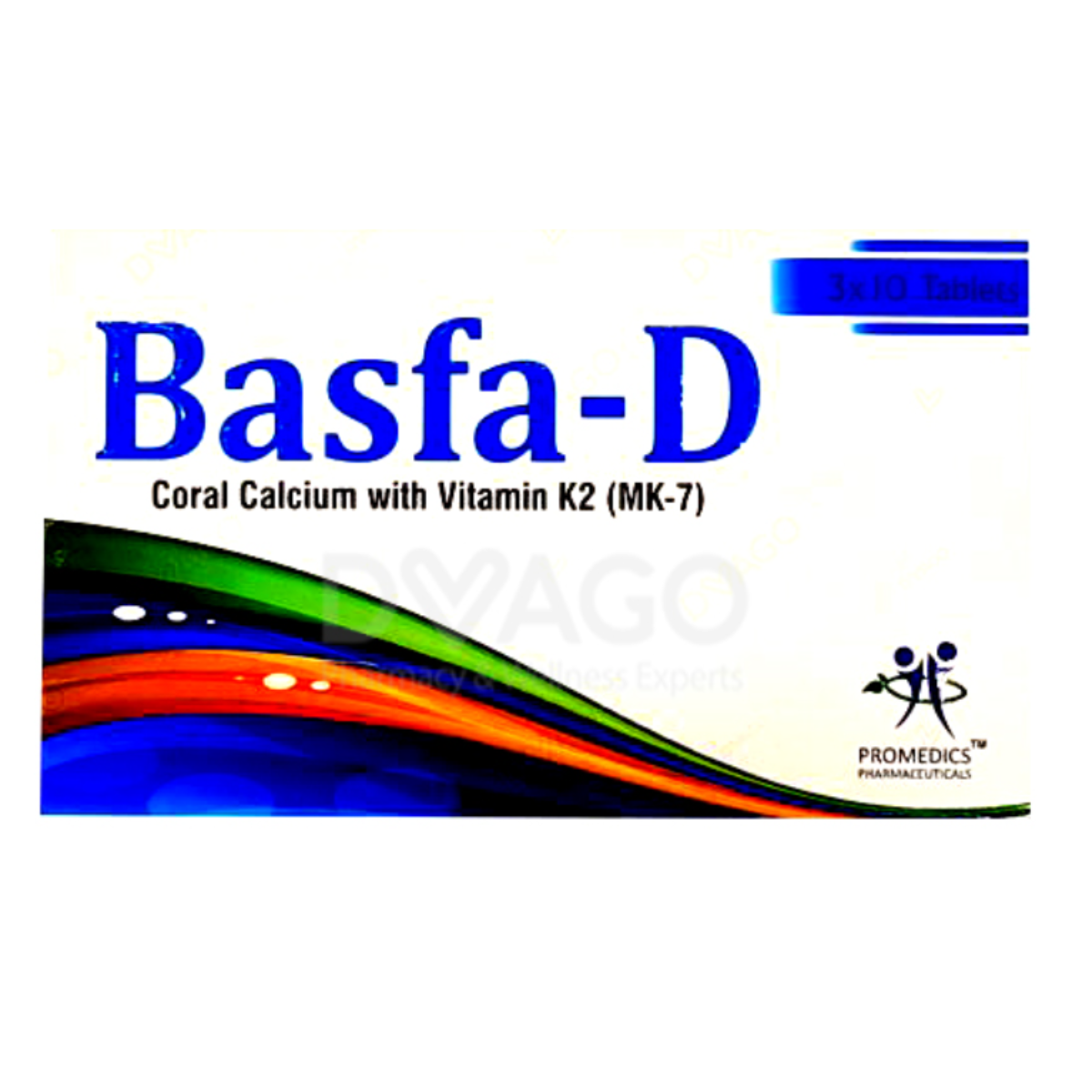
Basfa D Tablets
Basfa D Tablets provide Vitamin D supplementation to help support healthy bones, muscles, and immune function. They may be recommended by healthcare professionals for individuals with low Vitamin D levels.
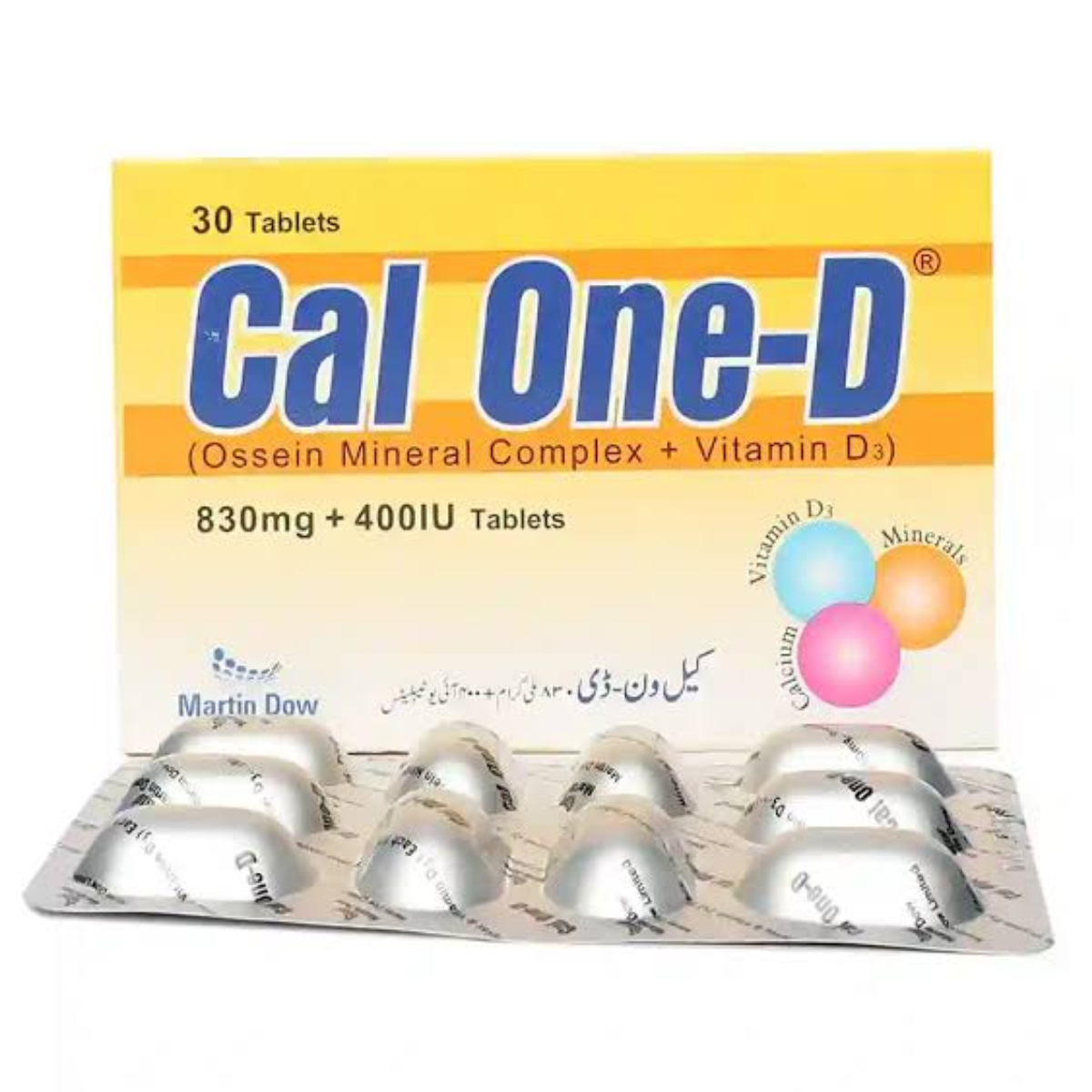
Cal One D Tablets
Cal One D Tablets combine calcium and Vitamin D to support bone mineralization and overall bone health. This combination helps improve calcium absorption within the body.
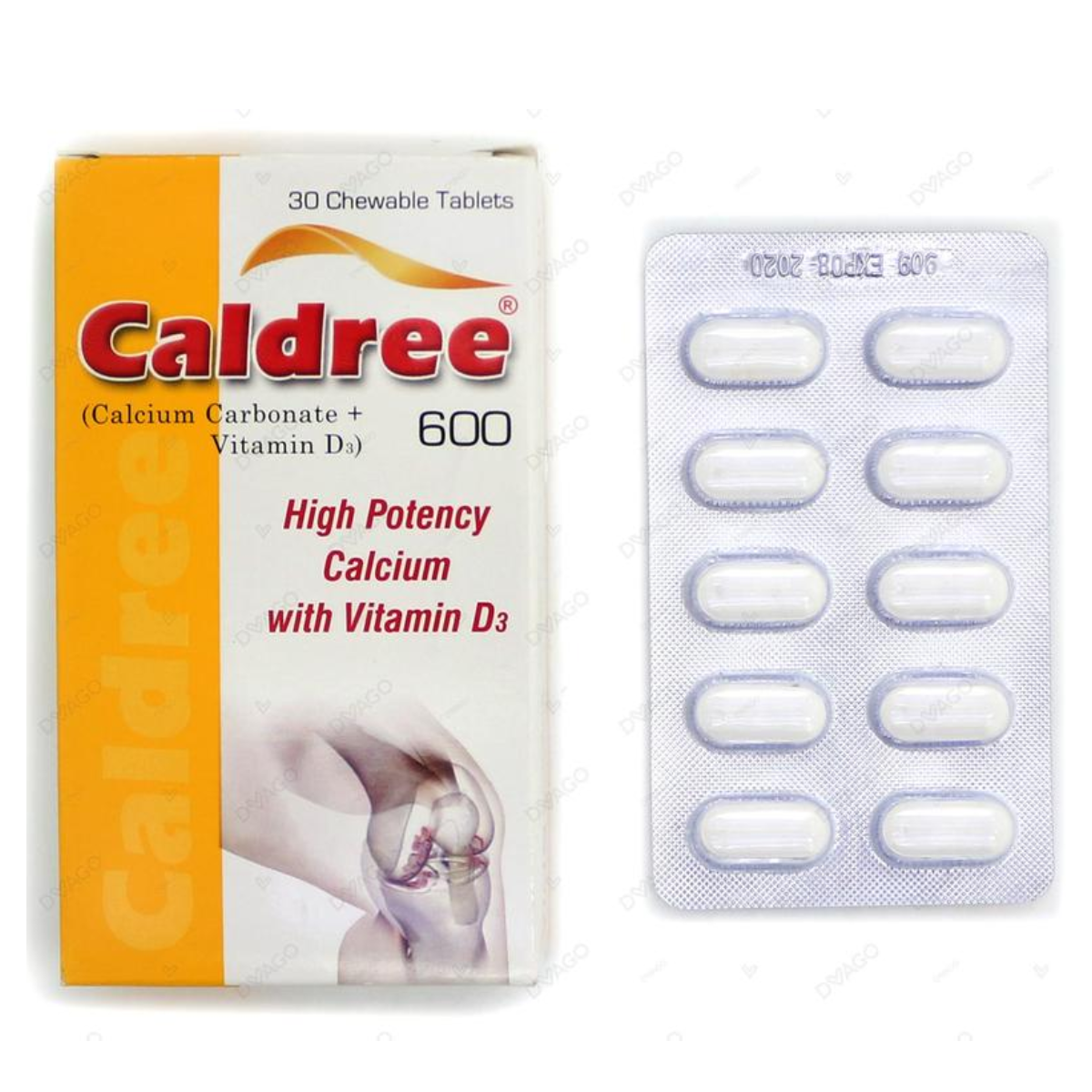
Caldree Tablets
Caldree Tablets are formulated to support calcium and Vitamin D intake, helping maintain healthy bones and teeth while contributing to overall nutritional balance.
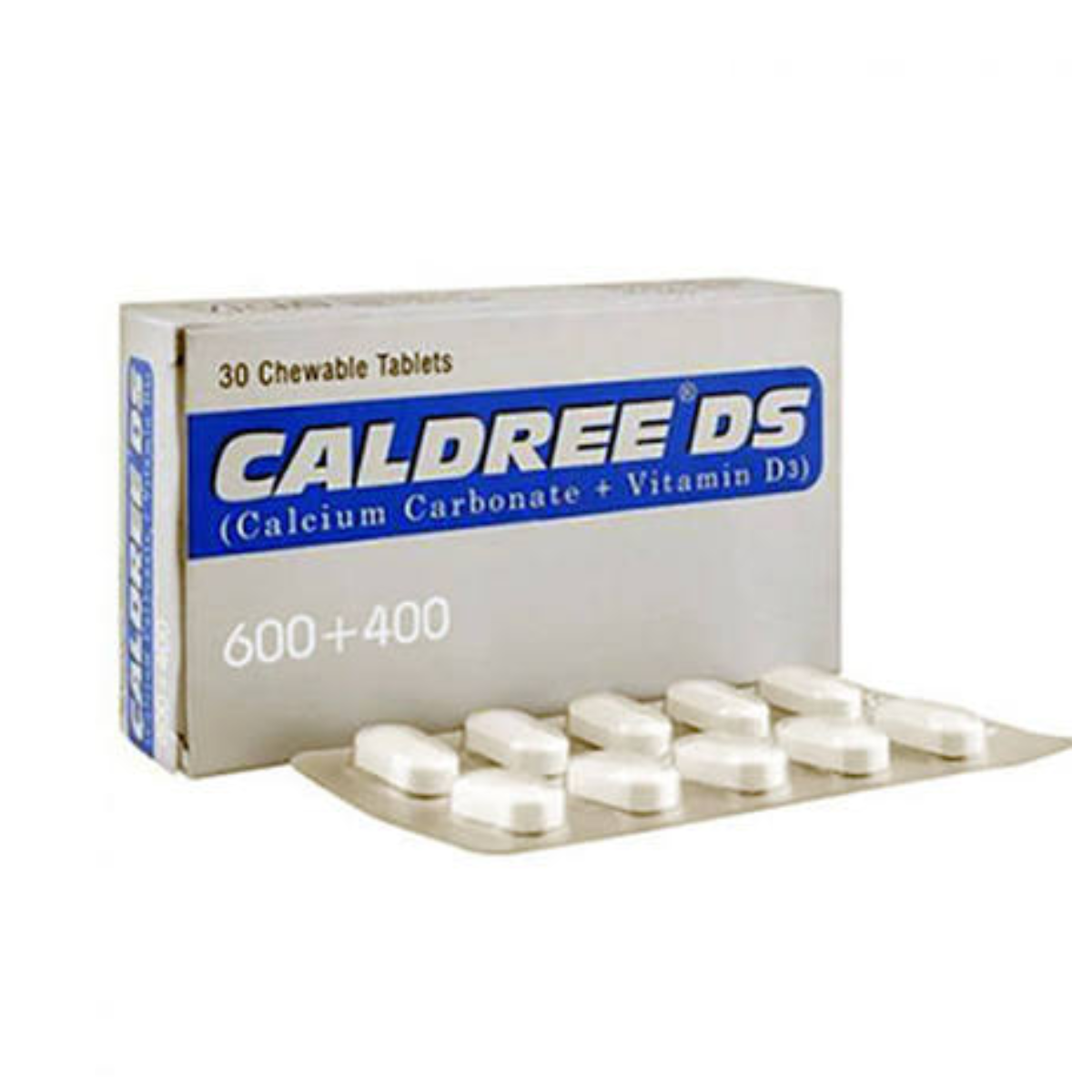
Caldree DS Tablets
Caldree DS Tablets provide enhanced nutritional support for bone health through a combination of calcium and Vitamin D. They may be used as part of a healthcare professional's recommended supplementation plan.
Can Vitamin D Deficiency Be Prevented?
Yes. Several simple lifestyle habits can help reduce the risk of deficiency.
These include:
Safe sun exposure
Eating Vitamin D-rich foods
Staying physically active
Following medical advice regarding supplements
Scheduling regular health checkups
Early prevention is often easier than correcting a severe deficiency later.
Why Choose Dvago for Your Health Needs?
Access to quality healthcare products is essential when managing nutritional deficiencies.
Dvago provides a wide range of trusted wellness products, vitamins, supplements, and healthcare essentials that help individuals support their overall health. Whether you're looking for Vitamin D supplements, calcium support products, or everyday healthcare items, Dvago offers reliable options backed by professional pharmacy services.
Choosing a trusted pharmacy helps ensure product authenticity, quality, and convenience when addressing important health concerns.
Final Thoughts
Vitamin D deficiency is more common than many people realize and can affect everything from energy levels and immune function to bone health and muscle strength. Because symptoms often develop gradually, many individuals may not recognize the warning signs until deficiency becomes more severe.
Understanding the 15 key signs of Vitamin D deficiency can help you take proactive steps toward better health. If you suspect your Vitamin D levels may be low, consult a healthcare professional for proper testing and guidance.
With healthy lifestyle habits, balanced nutrition, and trusted supplementation options available through Dvago—including Route 2 Health Vitamin D3 Tablets 5000IU, Cac-1000 Plus Effervescent Orange Flavor Tablets, Basfa D Tablets, Cal One D Tablets, Caldree Tablets, and Caldree DS Tablets—you can support your body's nutritional needs and maintain long-term wellness.